
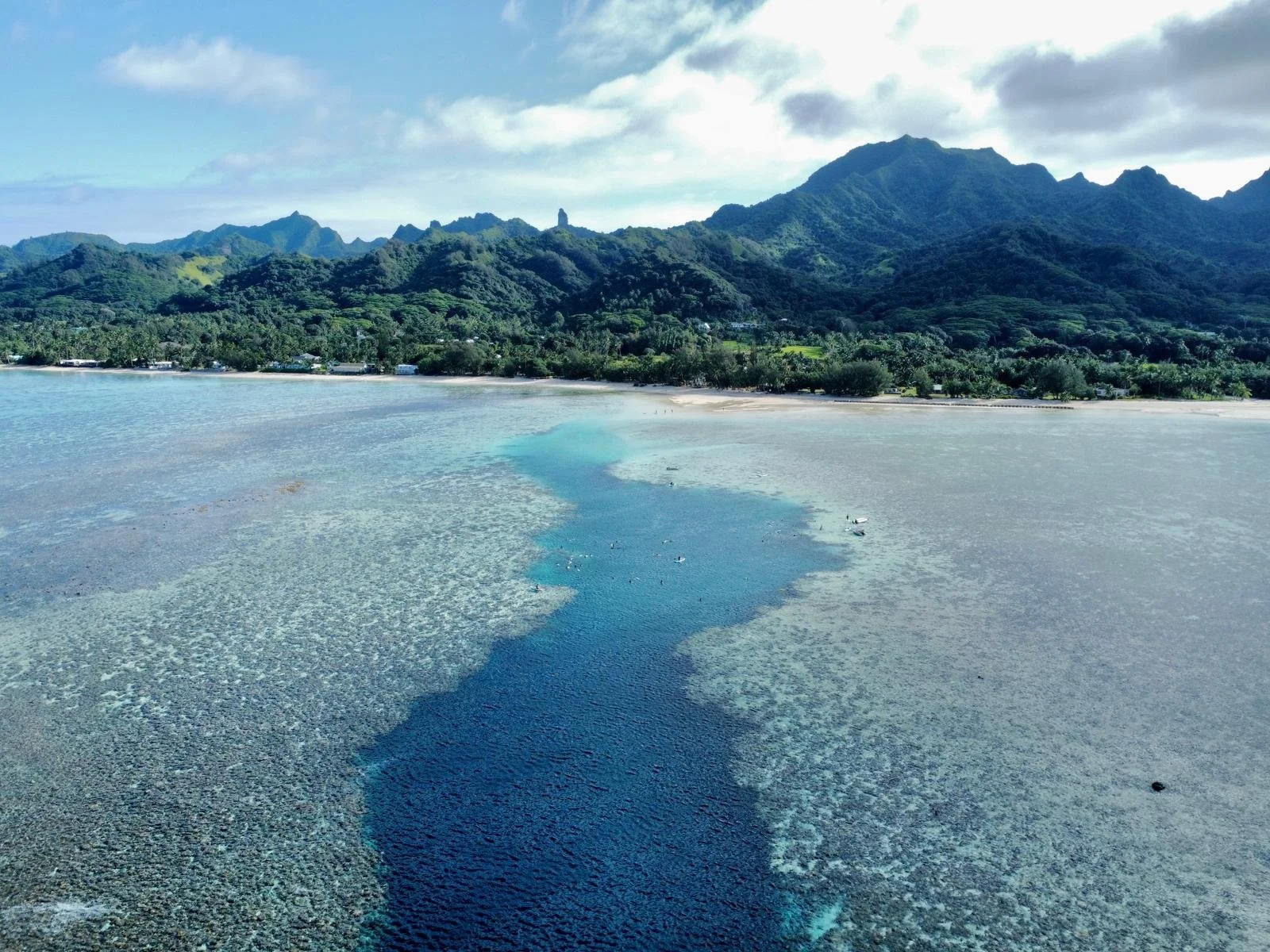
Protect Avaavaroa Passage
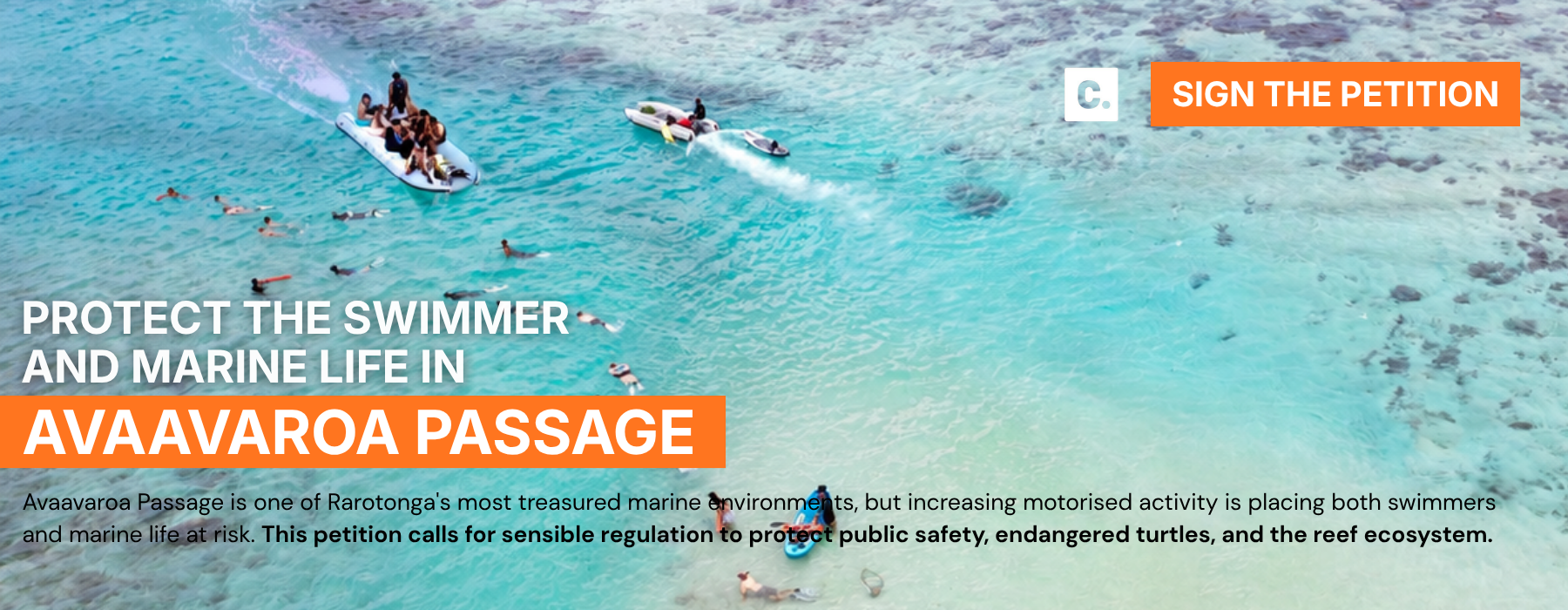
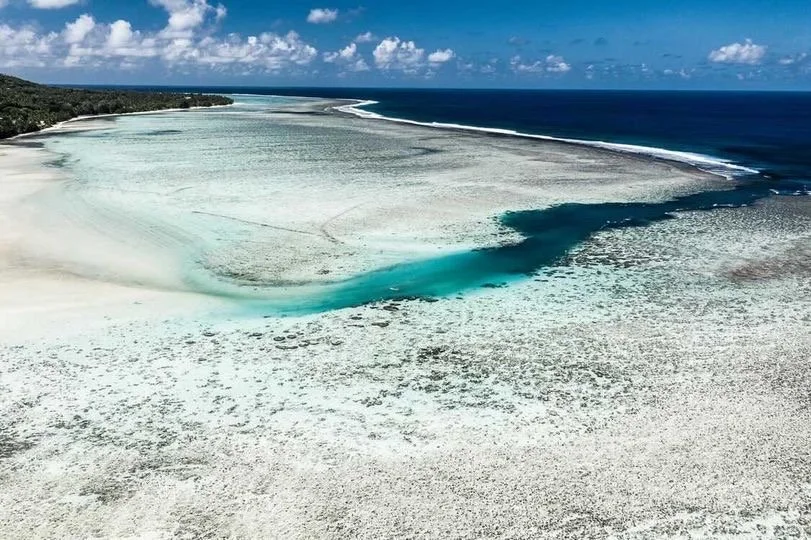
Avaavaroa Passage is one of Rarotonga's most iconic marine environments. It is also one of its most powerful and hazardous natural waterways. Officially recognised as a dangerous swimming area and widely known for strong currents and limited visibility, the passage already presents significant natural risks to swimmers, guides, staff, and visitors. Despite these risks, commercial motorboat taxis and sea-scooter operations are now regularly operating within the passage, introducing additional hazards into an already challenging environment.
At peak times, up to eight motorboats and as many as 50 sea scooters may be operating simultaneously within this narrow rip channel. This level of motorised traffic increases collision risk, reduces situational awareness, creates engine wake, and exposes swimmers to propellers and other mechanical hazards.
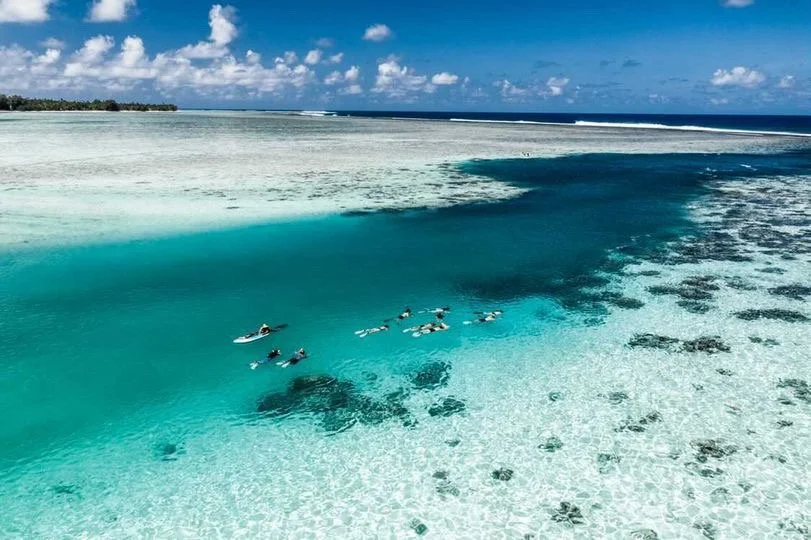
Avaavaroa Passage is not a transport corridor. It is a shared natural environment used by swimmers, snorkelers, guides, marine life, and visitors seeking a world-class Eco-tourism experience.
We believe safety and environmental protection must come first.
Why This Matters
Public Safety
Motorboats and sea scooters are being used to transport people through the passage, creating additional risks in an area already known for strong currents and poor visibility.
These risks affect:
Swimmers
Tour guides
Tourism staff
Visitors
Vessel operators
Appropriate regulation is needed to keep safety the highest priority.
Marine Life Protection
Avaavaroa Passage is important habitat for turtles, reef fish, rays, and coral ecosystems.
Research shows that:
Boat noise can disrupt reef fish larvae and reef replenishment.
Engine noise can alter sea turtle behaviour and feeding.
Increased vessel traffic adds environmental stress.
Critically endangered hawksbill turtles depend on healthy, low-disturbance reefs.
This unique marine environment deserves protection from unnecessary motorised activity.
Sustainable Tourism
Thousands of visitors choose Avaavaroa Passage for its natural beauty and wildlife.
Protecting the passage supports:
Eco-tourism
Visitor safety
Marine conservation
Sustainable tourism
Community enjoyment of the lagoon
What we are asking for
We call on the Cook Islands Government, the Ministry of Transport, the National Environment Service, and Cook Islands Tourism to:
Recognise motorboat taxis and sea scooters operating within Avaavaroa Passage as transport activities requiring Ministry of Transport oversight.
Ban or strictly regulate commercial motorised operations within the passage.
Introduce exclusion zones, vessel limits, and speed restrictions.
Protect public safety and marine ecosystems in accordance with the Rarotonga Southern Passages Environmental Management Plan.
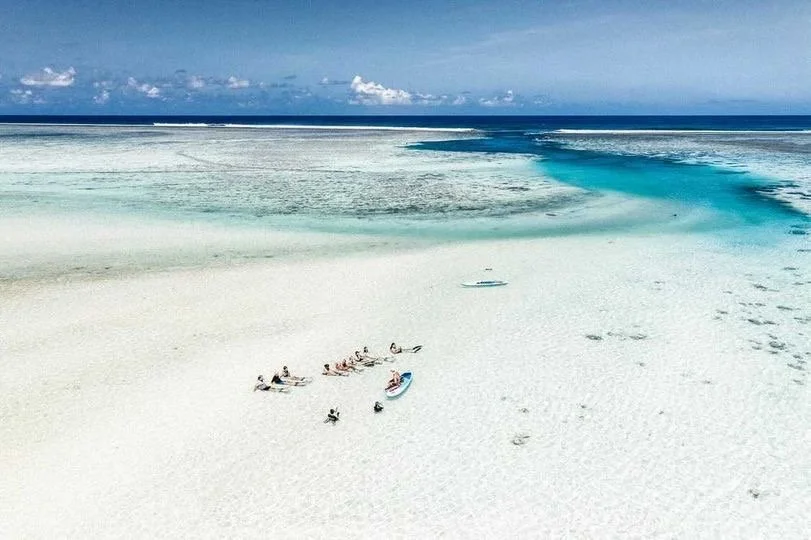
Support low-impact, non-motorised use of Avaavaroa Passage.
A Better Future for Avaavaroa Passage
Avaavaroa Passage does not require motorised transport to be enjoyed safely and responsibly. What it requires is sensible regulation, effective management, and protection that reflects both the natural hazards of the passage and its ecological importance.
Together we can ensure Avaavaroa Passage remains a place of natural beauty, marine biodiversity, and safe enjoyment for future generations.